
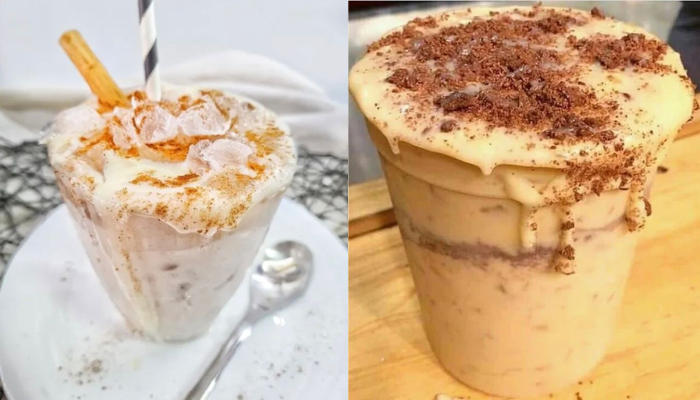
Chicha Venezolana is more than just a drink—it’s a cultural experience that carries the essence of Venezuela in every sip. Known for its creamy texture, sweet flavor, and refreshing quality, this traditional beverage is a staple at festivals, family gatherings, and street corners across the country. Rooted in Venezuelan culinary history, chicha is made from rice, milk, sugar, and a blend of aromatic spices, offering a comforting taste that transcends generations. In this article, we will explore the rich history, preparation methods, variations, and cultural significance of chicha venezolana, helping you understand why this drink is a beloved symbol of Venezuelan heritage.
The History and Origins of Chicha Venezolana
Chicha Venezolana has deep roots in Venezuelan and Latin American culinary traditions. Its origins can be traced back to pre-Columbian times when indigenous communities fermented grains to create nourishing beverages. As European influences arrived, local recipes evolved, incorporating milk, sugar, and spices to create the sweet, creamy chicha we recognize today. Over the centuries, this drink became a symbol of comfort and hospitality, often served during celebrations, religious festivals, and social gatherings.
The drink’s popularity grew alongside Venezuela’s urbanization, particularly in bustling cities like Caracas, Maracaibo, and Valencia. Street vendors would sell cold chicha in plastic cups or bottles, making it accessible to everyone, from children to working adults. Today, chicha venezolana is celebrated not only as a daily refreshment but also as a nostalgic taste of home for Venezuelans living abroad. Its history reflects a fusion of indigenous, African, and European culinary practices, making it a truly unique and culturally rich beverage.
Ingredients and Traditional Preparation
The foundation of authentic chicha venezolana lies in its simple yet flavorful ingredients. Typically, it is made with white rice, milk (or evaporated milk for a creamier texture), sugar, and vanilla. Optional spices such as cinnamon and cloves are often added to enhance the flavor profile. Some recipes even include condensed milk to increase sweetness and richness. The choice of ingredients and the quality of rice and milk significantly influence the final taste, making each batch unique.
The preparation process is an art in itself. First, rice is soaked and then blended with water to create a smooth base. This mixture is then boiled or left to ferment slightly, depending on the recipe, before being strained. Milk and sweeteners are added afterward, followed by careful stirring to achieve the creamy consistency that defines Venezuelan chicha. Chilling the drink before serving is crucial, as the cold temperature enhances its refreshing qualities, making it a favorite in Venezuela’s tropical climate.
Variations of Chicha Venezolana
While the classic rice-based chicha remains the most popular, there are several delightful variations that cater to different tastes. Corn-based chicha, for example, is another traditional version, often thicker and more filling. Some recipes incorporate coconut milk, giving the drink a tropical twist, while others might add fruit flavors such as strawberry or pineapple to appeal to younger generations. These variations highlight the adaptability of chicha venezolana, allowing it to evolve while staying true to its cultural roots.
Modern adaptations of chicha have also emerged, especially in urban settings and Venezuelan restaurants abroad. Some vendors create vegan versions using almond or oat milk, while others offer “light” options with reduced sugar. Despite these variations, the essence of chicha—its creamy texture, subtle sweetness, and aromatic spice—remains intact. This versatility ensures that chicha continues to be a cherished drink, appealing to both traditionalists and adventurous food lovers seeking authentic Venezuelan flavors.
Cultural Significance and Social Role
Chicha Venezolana is not just a drink; it’s a cultural icon. In Venezuela, offering chicha to guests is a gesture of hospitality, warmth, and community. During festive occasions such as Christmas, Carnival, or local fairs, chicha flows abundantly, symbolizing joy and togetherness. Families often pass down secret recipes from generation to generation, reinforcing familial bonds and preserving culinary heritage.
Street vendors selling chicha also play an essential social role, especially in urban neighborhoods. Their carts or small stands become gathering points where people socialize, share stories, and enjoy a refreshing treat. This communal aspect of chicha venezolana strengthens social ties and reflects Venezuela’s vibrant, interconnected culture. In essence, every sip of chicha is a taste of Venezuelan history, community, and tradition.
How to Enjoy Chicha Venezolana at Home
Making chicha venezolan at home is easier than many think, and it allows you to customize flavors to your liking. Start with a high-quality short-grain rice, soak it overnight for optimal texture, and blend it into a smooth mixture. Add milk, sugar, and a pinch of cinnamon, then refrigerate until chilled. For a richer taste, consider adding condensed milk or evaporated milk. Serve in glasses over ice for the classic refreshing experience, or get creative with toppings such as grated coconut or nutmeg.
Chicha can be enjoyed at any time of the day, whether as a breakfast drink, afternoon refreshment, or dessert beverage. Pairing it with traditional Venezuelan pastries, such as tequeños or empanadas, enhances the experience and brings a touch of Venezuelan culinary magic to your home. By experimenting with different ingredients and flavors, you can recreate the authentic taste of Venezuelan streets and family gatherings, keeping the tradition alive even far from Venezuela
Conclusion
Chicha Venezolana is a testament to the richness of Venezuelan culinary culture. From its historical origins to modern variations, this creamy, sweet beverage continues to captivate locals and international enthusiasts alike. Beyond being a delicious drink, chicha embodies community, family traditions, and the vibrant spirit of Venezuela. Whether enjoyed on a street corner in Caracas or made in your own kitchen abroad, chicha remains a symbol of warmth, nostalgia, and authentic flavor.
FAQs About Chicha Venezolana
- What is chicha venezolana made of?
Chicha is typically made from rice, milk, sugar, and spices like cinnamon and cloves. Variations may include corn, coconut milk, or fruit flavors. - Is chicha venezolana alcoholic?
No, most traditional chicha recipes are non-alcoholic, though some versions may allow mild fermentation for flavor. - Can chicha be made vegan?
Yes, by substituting cow’s milk with almond, oat, or soy milk, you can enjoy a vegan version of chicha. - How long does homemade chicha last?
When refrigerated, homemade chicha usually lasts 3-5 days. Always store in an airtight container. - What is the difference between rice and corn chicha?
Rice chicha is creamy and light, while corn chicha is thicker, more filling, and slightly grainy in texture. - Can I add flavors to chicha?
Absolutely! Popular additions include vanilla, strawberry, coconut, and even nutmeg for extra aroma. - Is chicha served hot or cold?
Chicha is traditionally served cold, making it a refreshing drink in warm climates. - Where can I find chicha outside Venezuela?
Venezuelan restaurants, Latin American grocery stores, and online recipe guides often provide ways to enjoy chicha abroad. - Can children drink chicha?
Yes, chicha is suitable for all ages since it is generally non-alcoholic and nutritious. - What occasions is chicha typically served?
Chicha is popular during holidays, family gatherings, street fairs, and casual social events throughout Venezuela.