
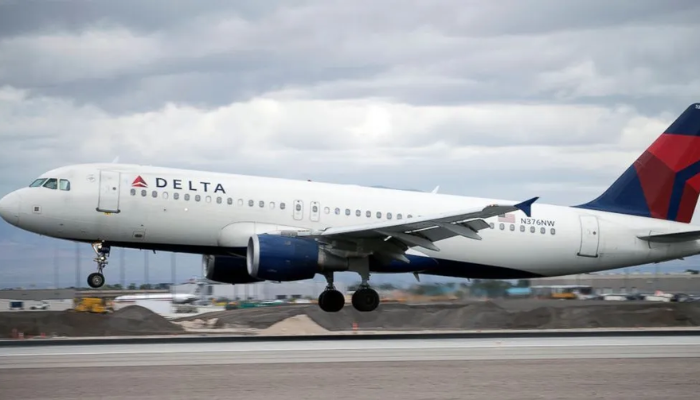
The Delta Connection DL3543 emergency landing became a topic of intense aviation interest and passenger curiosity following reports that this short-haul regional flight declared an emergency shortly after takeoff and returned to its departure airport. In aviation terms, an emergency landing doesn’t always mean disaster — it often reflects layers of safety systems doing their job to protect passengers and crew. In the case of DL3543, those systems triggered a decision that prioritized caution and safety above all, offering a real-world example of how proactive procedures safeguard modern air travel.
While headlines may have focused on a dramatic “emergency,” the reality of DL3543’s situation reveals the structured protocols and professionalism behind each critical decision. Exploring this incident in depth offers a clearer picture of aviation safety culture — from warning systems and crew training to emergency response readiness on the ground.
Flight Overview and Timeline of the Incident
Delta Connection flight DL3543 was operating as a routine short-haul service when the unexpected occurred. Shortly after departure, the aircraft encountered an irregularity that prompted pilots to declare an emergency and return to the departure airport.
Departure and Early Climb
DL3543 took off with its planned route set between major Midwestern cities — typically connecting passengers on a brief flight of roughly one hour. The initial climb phase of a flight is one of the most monitored segments: pilots and onboard systems constantly evaluate data related to engines, avionics, pressurization, and navigation. During this crucial period, a system alert or unusual indication can change the tone of a typical flight in seconds.
Within minutes of takeoff, data showed an anomaly significant enough for the flight crew to act swiftly. Rather than pressing onward, the pilots initiated a controlled return to the airport, signifying that what began as a normal ascent quickly became a safety event requiring immediate attention.
Emergency Declaration and Return
Once in the air, the crew communicated with air traffic control and broadcast a Squawk 7700 code — the universal transponder signal denoting a general emergency requiring priority handling. Emergency vehicles were already strategically positioned on the runway upon the flight’s return, a standard precaution to ensure readiness for any possible outcome.
After approximately 37 minutes from departure, the aircraft safely touched down back at its origin. There were no injuries reported, and the aircraft taxied normally — clear evidence that, despite the word “emergency,” the situation was well-managed and controlled by trained professionals.
What Caused the Emergency Landing? Technical Triggers and Aircraft Systems
Understanding what triggers an emergency landing involves unpacking complex aircraft systems and crew response. In the case of DL3543, evidence suggests that the incident stemmed from a pressurization system alert or a related technical irregularity.
Cabin Pressurization Alerts Explained
Commercial aircraft are pressurized to maintain safe and comfortable conditions well above ground level. When a pressurization sensor detects readings outside expected norms — even if the cabin itself remains stable — the system flags a warning that pilots cannot ignore. These readings may come from minor sensor irregularities, valve response differences, or transient inconsistencies in the system.
Such alerts are treated seriously because a real pressurization failure at cruise altitude can lead to rapid oxygen depletion. Pilots train extensively for these scenarios, even if the actual cause proves less severe than anticipated.
System Redundancy and Conservatism
Aircraft pressurization systems have multiple layers of redundancy, making true failures rare. However, when a warning light comes on, standard operating procedures push pilots to err on the side of safety. Turning back early minimizes risk, reduces uncertainty, and allows ground teams to inspect possible issues without waiting for escalation. This conservative approach is an integral part of safe aviation operations.
Passenger Experience During the Emergency Landing
From the perspective of passengers onboard DL3543, the experience unfolded as a managed and professional response rather than chaotic drama. Even though the term “emergency” carries intense imagery, onboard behavior and crew communication are designed to keep calm and clarity at the forefront.
Communication and Cabin Environment
Reports suggest that flight attendants and flight crew made clear, calm announcements informing passengers of the situation. At no point was there evidence of panic or mass confusion — a testament to training that elevates passenger reassurance in emergencies. Modern cabins are engineered to maintain an environment of collected response, ensuring passengers don’t spiral into anxiety when alerts or unexpected maneuvers occur.
Safe Disembarkation and On-Ground Response
Upon landing, emergency vehicles — fire trucks, ambulances, and safety personnel — were present but did not need to intervene. Their visibility provided reassurance rather than alarm, confirming that standard safety protocols were in motion. Once the aircraft arrived at its gate and was deemed secure, passengers disembarked normally. No injuries or health concerns were reported throughout the entire process.
Aviation Safety Protocols in Action: Flying With Confidence
The Delta Connection DL3543 emergency landing demonstrates how aviation safety procedures function with precision behind the scenes. From sensor systems to pilot decision-making and emergency coordination, multiple layers work in concert to maintain safety as the absolute priority.
The Importance of Redundancy and Early Detection
Aircraft are equipped with highly sensitive monitoring systems designed to detect even subtle irregularities. These systems help pilots make informed decisions before situations escalate. By catching potential issues early, aviators reduce risk and avoid situations where emergencies become uncontrolled crises.
Training, Preparedness, and Response Culture
A pilot’s ability to manage unexpected events hinges on ongoing training and preparedness. Simulations, checklists, and practiced scenario responses are part of every crew’s professional routine. When a system indicates something unusual — even if it turns out to be minor — pilots rely on training to guide them toward safe decisions. In the case of DL3543, the safe return and disembarkation underline the effectiveness of this culture.
Why This Emergency Landing Should Reassure Travelers
Rather than stirring fear of flying, the Delta Connection DL3543 emergency landing reinforces confidence in commercial aviation safety. While any unexpected turn during a flight can be unsettling for passengers, this incident exemplifies how precaution and preparedness stand at the core of responsible air travel.
Modern Aviation Safety Standards
The safety protocols governing civil aviation are some of the most rigorous in transportation. Regulatory bodies, airlines, and aircraft manufacturers continuously update guidelines based on accumulating data, incident reviews, and the latest engineering advances. When pilots declare an emergency and return early, it reflects a system that prioritizes safety over schedules or convenience.
The Bigger Picture: Routine Safety Over Drama
Emergency declarations are not uncommon in aviation, and they are most often precautionary. Pilots are trained to handle an array of scenarios, and they rely on objective data rather than assumption or panic. With no injuries or damage reported in the DL3543 case, the event stands as a successful example of how multiple safety systems act cohesively — ensuring passenger well-being even when things deviate from the expected flight plan.
Conclusion
The Delta Connection DL3543 emergency landing incident should serve as an educational milestone rather than a sensational headline. This event illustrated modern aviation’s commitment to safety, where early detection, disciplined response, and professional communication safeguard passengers and crew from escalating risk. While the word “emergency” may provoke concern, the factual outcome — a controlled return with no injuries — underscores the resilience and reliability of commercial aviation systems when faced with technical irregularities.
Whether you’re a frequent flyer or planning your first trip, understanding how pilots and airlines manage emergencies equips you with a clearer view of the robust safety culture that defines modern flight operations.
10 FAQs About Delta Connection DL3543 Emergency Landing
1. What caused the Delta Connection DL3543 emergency landing?
The flight crew observed a pressurization system alert or technical indication shortly after takeoff, prompting a precautionary return.
2. Were any passengers or crew injured during the DL3543 incident?
No injuries were reported for anyone on board.
3. What does declaring a Squawk 7700 mean?
It’s a standard transponder code pilots use to signal a general emergency to air traffic control.
4. Did the aircraft experience significant damage?
There is no evidence of damage. The aircraft returned safely and was inspected post-flight.
5. Why do aircraft return to the airport when a warning light appears?
Pilots follow conservative safety protocols: returning allows trained technicians to inspect potential issues before they escalate.
6. Is Delta Connection less safe than mainline Delta flights?
No. Delta Connection operates under the same FAA safety standards and procedures as larger Delta flights.
7. How long was the DL3543 flight before it turned around?
The flight returned within approximately 30–40 minutes of departure.
8. Did emergency vehicles respond to the aircraft landing?
Yes — standard protocol involves positioning emergency responders when an emergency is declared.
9. Will this incident affect future Delta Connection schedules?
Operational disruptions are usually isolated, with no broad impact unless further issues are found.
10. Should passengers be worried about flying after hearing about the DL3543 incident?
This event underscores safety systems working as intended, not a reason for concern.