
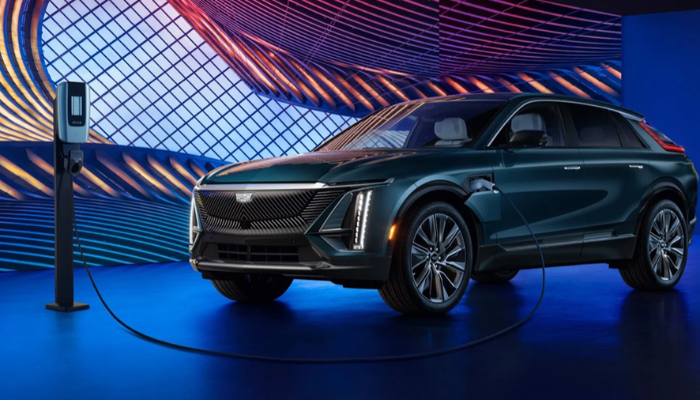
Electric vehicles have transformed the way we think about performance, efficiency, and daily driving. If you’re considering the Cadillac Lyriq—or already own one—you may be asking: do the driving modes in Cadillac Lyriq offer different ranges or battery usages? It’s a smart question, especially when maximizing range is crucial for road trips, daily commutes, and overall EV ownership satisfaction.
The Cadillac Lyriq, developed by Cadillac under the umbrella of General Motors, represents a major leap in luxury EV engineering. With its Ultium battery platform and multiple selectable driving modes, the Lyriq promises both performance and efficiency. But do these modes genuinely affect range and battery consumption—or are they simply adjustments to driving feel? Let’s explore in depth.
Understanding Driving Modes in the Cadillac Lyriq
The Cadillac Lyriq offers selectable driving modes designed to tailor performance characteristics to different road conditions and driver preferences. These modes typically include Tour, Sport, Snow/Ice (in AWD models), and a customizable My Mode. Each setting modifies parameters such as throttle response, steering weight, regenerative braking behavior, and in some cases, power distribution.
When drivers switch between modes, they often notice immediate differences in responsiveness and vehicle behavior. However, the underlying battery system remains the same. The Ultium battery pack delivers energy consistently, but how that energy is used can vary depending on how aggressively the vehicle is driven in each mode. This is where the real answer to the question—do the driving modes in Cadillac Lyriq offer different ranges or battery usages?—begins to take shape.
While Cadillac does not advertise drastically different official range numbers for each driving mode, real-world driving habits associated with those modes can influence overall battery consumption.
How Driving Modes Impact Energy Consumption
To understand whether driving modes affect range, we must first examine how electric vehicles consume energy. Unlike gasoline vehicles, EVs convert stored electrical energy directly into motion. Any increase in acceleration demand or traction control intervention requires additional energy draw from the battery pack.
In Sport mode, throttle response becomes sharper and more immediate. This encourages quicker acceleration and more spirited driving. Rapid acceleration requires more power output from the electric motors, which increases battery consumption in the short term. Over time, consistently driving in Sport mode can lead to reduced overall range compared to calmer driving habits.
Conversely, Tour mode prioritizes smoothness and efficiency. Throttle mapping is more gradual, and regenerative braking is optimized for comfort and energy recovery. Drivers tend to accelerate more gently in this mode, which helps preserve battery charge and maintain closer-to-rated range figures.
Snow/Ice mode adjusts torque distribution and softens throttle response to improve traction in slippery conditions. While this mode does not directly increase or decrease range, driving in snowy or icy conditions inherently demands more energy due to rolling resistance and heating requirements. Therefore, environmental factors often play a larger role than the mode itself.
Regenerative Braking and Its Role in Battery Usage
One of the key factors in answering “do the driving modes in Cadillac Lyriq offer different ranges or battery usages?” lies in regenerative braking. The Lyriq uses regenerative braking to capture kinetic energy during deceleration and convert it back into stored electrical energy.
In modes that emphasize smoother driving, regenerative braking often feels more progressive and consistent. This allows drivers to recover energy efficiently without abrupt transitions. The Lyriq also features selectable regen settings and one-pedal driving functionality, which can significantly affect energy recapture.
Aggressive driving in Sport mode may involve heavier acceleration followed by stronger braking. While regenerative braking does recover some energy, it rarely compensates entirely for the extra power used during acceleration. Therefore, even though regen helps mitigate losses, more spirited driving typically results in higher overall energy consumption.
In steady, predictable city driving, maximizing regenerative braking through smooth deceleration can noticeably improve efficiency. Drivers who master one-pedal driving often report measurable improvements in real-world range.
Real-World Range Variations Between Modes
Official EPA range estimates for the Cadillac Lyriq do not differentiate by driving mode. Instead, they represent a standardized mix of city and highway driving under controlled conditions. However, real-world results tell a more nuanced story.
Drivers who consistently use Tour mode and prioritize smooth acceleration often achieve range figures close to or even slightly above EPA estimates under favorable conditions. The controlled throttle mapping naturally promotes efficient energy usage.
On the other hand, frequent use of Sport mode can reduce range by encouraging quicker acceleration and more dynamic driving. While the difference may not be dramatic on a single trip, over extended mileage the cumulative effect becomes noticeable.
Environmental variables such as temperature, terrain, and HVAC usage often have a greater impact on range than driving modes alone. Cold weather reduces battery efficiency, and running cabin heating consumes additional energy. In such cases, switching modes will not drastically alter range compared to the influence of climate conditions.
Customization: My Mode and Driver Behavior
The Lyriq’s customizable My Mode allows drivers to adjust steering feel, throttle response, and braking characteristics. This personalized setup blurs the line between efficiency and performance, giving drivers more control over how the vehicle behaves.
For example, a driver could combine softer throttle mapping with firmer steering, balancing efficiency and driving engagement. This flexibility means the real determinant of range isn’t strictly the mode itself—it’s the driver’s behavior within that mode.
If a driver selects Sport mode but maintains gentle acceleration habits, the range difference may be negligible. Conversely, even in Tour mode, aggressive driving can diminish efficiency. Ultimately, battery usage correlates more strongly with driving style than the labeled mode.
The Lyriq’s advanced energy monitoring systems help drivers visualize consumption patterns in real time. By observing these metrics, owners can quickly learn which habits preserve battery life and which deplete it more rapidly.
Conclusion
So, do the driving modes in Cadillac Lyriq offer different ranges or battery usages? The direct answer is: not officially, but practically—yes.
Driving modes themselves do not alter the battery’s capacity or fundamentally change its chemistry. However, they influence throttle response, regenerative braking behavior, and overall driving dynamics. These changes encourage different driving styles, which in turn impact energy consumption and real-world range.
Tour mode generally supports maximum efficiency through smoother power delivery. Sport mode can reduce range if it leads to aggressive acceleration. Snow/Ice mode prioritizes safety and traction rather than efficiency gains. Meanwhile, My Mode allows drivers to tailor performance characteristics to their own efficiency goals.
In the end, the most powerful factor affecting range is not the selected mode—but the driver behind the wheel. With mindful acceleration, effective regenerative braking, and awareness of environmental conditions, Lyriq owners can maximize their EV’s impressive range regardless of mode selection.
Frequently Asked Questions (FAQs)
1. Do the driving modes in Cadillac Lyriq change the official EPA range?
No, the official EPA range remains the same regardless of driving mode. However, real-world results may vary based on how you drive in each mode.
2. Does Sport mode drain the battery faster?
Sport mode can increase battery usage if it encourages more aggressive acceleration and spirited driving.
3. Is Tour mode the best for maximizing range?
Yes, Tour mode generally promotes smoother throttle response and energy-efficient driving habits, which help maximize range.
4. Does Snow/Ice mode reduce battery efficiency?
Not directly. However, winter conditions themselves can reduce efficiency due to colder battery temperatures and increased rolling resistance.
5. What role does regenerative braking play in range?
Regenerative braking captures energy during deceleration and returns it to the battery, improving overall efficiency.
6. Does one-pedal driving improve battery usage?
Yes, effective one-pedal driving can increase regenerative braking efficiency and extend real-world range.
7. Can My Mode help improve efficiency?
Yes, if configured for softer throttle response and smooth braking behavior, My Mode can support better battery efficiency.
8. Does AWD impact range differently than driving modes?
Yes, all-wheel-drive models may consume slightly more energy than rear-wheel-drive versions due to additional motor operation.
9. Are temperature and weather more important than driving modes for range?
Often yes. Extreme temperatures can have a greater impact on battery efficiency than the selected driving mode.
10. What is the biggest factor affecting battery usage in the Lyriq?
Driver behavior—especially acceleration habits and speed—is the most significant factor influencing battery consumption and range.