
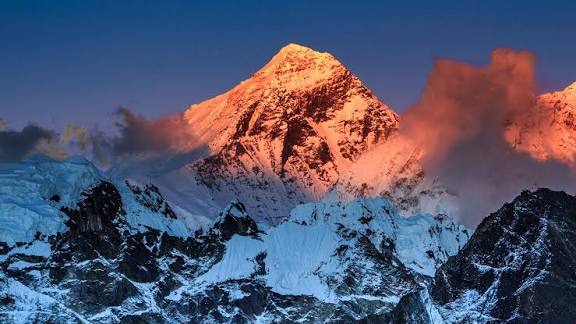
For many, the word Everest evokes a singular image: a jagged pyramid of ice and rock piercing the jet stream at the edge of space. Standing at 8,848.86 meters, it is the highest point on our planet, a place where the air is thin and the silence is profound. However, to see it only as a physical obstacle is to miss the soul of the region. Known to the local Sherpa people as Chomolungma—the “Goddess Mother of the World”—the mountain is a sacred entity that demands respect, humility, and careful preparation.
The Journey to the Roof of the World
Trekking through the Khumbu Valley is more than just a hike; it is a spiritual and physical transformation. Most adventurers begin their journey with a flight into Lukla, often called the most dangerous airport in the world. From there, the trail winds through lush rhododendron forests and over suspension bridges draped in colorful prayer flags.
As you ascend toward Everest, the landscape shifts from vibrant greens to a stark, lunar beauty. Reaching Base Camp at 5,364 meters is a milestone for thousands every year, offering a front-row seat to the Khumbu Icefall—a shifting river of ice that serves as the gateway for those attempting the summit.
The Sherpa Backbone
No discussion of the high Himalayas is complete without honoring the Sherpa community. They are the guardians of the mountain, possessing a unique physiological adaptation to high altitudes and a deep-rooted Buddhist faith. Before any expedition begins, a Puja ceremony is held to ask the mountain for safe passage. This connection between the people and the land is what gives Everest its enduring mystique; it is a workplace, a home, and a temple all at once.
Modern Challenges and Sustainability
As we move through 2026, the conversation around the mountain has shifted toward preservation. Decades of “mass tourism” have left a mark, leading to new initiatives like the “Clean Mountain Strategy.” Modern climbers and trekkers are now part of a movement to ensure that Everest remains pristine for future generations. This includes:
- Mandatory waste carry-back rules: Ensuring no trace is left behind.
- Biodegradable materials: Switching from plastic to eco-friendly alternatives.
- Reforestation: Protecting the lower valleys from soil erosion.
Preparing for the Extreme
If you dream of seeing Everest with your own eyes, preparation is your best friend. Even the trek to Base Camp requires months of cardiovascular training and mental fortitude. The “Death Zone” starts at 8,000 meters, where the oxygen level is only a third of what it is at sea level. Whether you are a casual trekker or an aspiring summiteer, the mountain teaches one universal truth: you do not “conquer” the peak; it simply allows you to stand there for a fleeting moment.
The allure of the world’s highest peak remains undiminished. It stands as a testament to the human spirit’s desire to explore the unknown. To visit Everest is to witness the raw power of nature and the incredible resilience of the human heart. It is a journey that stays with you long after the descent, a memory carved in stone and ice.