
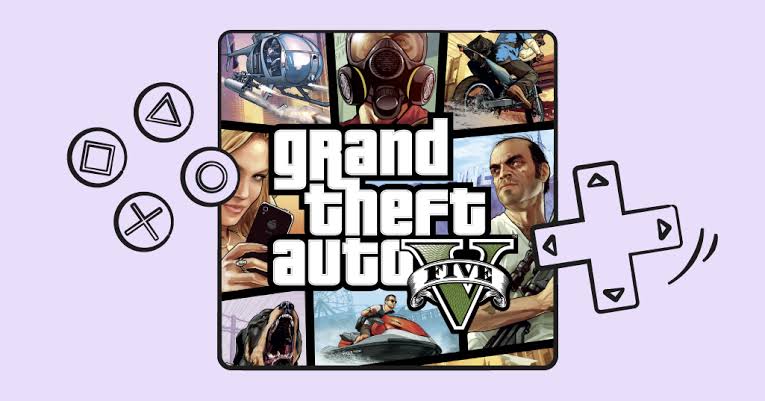
In the vast landscape of digital entertainment, few names carry as much weight as Grand Theft Auto. What started as a top-down perspective experiment in the late 90s has blossomed into a cultural juggernaut that transcends the boundaries of traditional gaming. It isn’t just a series of missions; it is a sprawling mirror held up to modern society, reflecting our ambitions, our vices, and our obsession with the “American Dream.”
A Foundation of Absolute Freedom
The brilliance of the franchise lies in its commitment to player agency. Unlike many contemporary titles that funnel players through narrow corridors, this series popularized the “sandbox” philosophy. Whether you are navigating the neon-soaked streets of a fictionalized Miami or the sun-drenched hills of a digital California, the world feels alive.
The environment isn’t just a backdrop; it’s a character in its own right. Pedestrians have schedules, radio stations provide a curated soundtrack to your mayhem, and the physics of the world invite experimentation. This level of detail is why a Grand Theft Auto title remains relevant for a decade after its initial release.
Satire and the Modern Mirror
Beyond the high-speed chases and cinematic heists, the series is renowned for its sharp, often biting, social satire. It pokes fun at everything from political extremism to the vapid nature of social media influencers. By creating a world that feels just a little more “extreme” than our own, the developers allow players to interact with a caricature of reality.
This satirical edge ensures that the narrative stays grounded even when the action becomes over-the-top. You aren’t just playing a criminal; you are navigating a world where the lines between the “good guys” and “bad guys” are perpetually blurred. This complexity is a hallmark of the Grand Theft Auto experience, making each entry a conversation piece for years.
Technical Prowess and Innovation
From a technical standpoint, the series has consistently pushed the limits of hardware. Every iteration introduces more complex AI, denser urban environments, and more seamless transitions between gameplay and cutscenes. The transition from 2D to 3D was a pivotal moment in gaming history, but the move toward interconnected online worlds changed the industry’s business model entirely.
The longevity of the most recent titles is a testament to the robust engine and the community’s creativity. It’s a platform where players can race, socialize, or build their own criminal empires. It is this versatility that keeps the Grand Theft Auto name at the top of the charts year after year.
Key Pillars of the Series
- Atmospheric Storytelling: Merging cinematic tropes with interactive gameplay.
- Detailed Environments: Creating cities that feel lived-in and reactive.
- Cultural Curation: Using music and talk radio to ground the player in a specific era.
- Player Choice: Offering various ways to approach objectives and side activities.
The Road Ahead
As fans look toward the future, the anticipation for the next chapter is palpable. Each release is treated as a global event, resetting the bar for what is possible in interactive media. The legacy of Grand Theft Auto is one of constant evolution, proving that as long as there are stories to tell and cities to build, the series will remain the gold standard for open-world design.
Ultimately, the franchise’s success stems from its ability to offer something for everyone. Whether you are a casual player looking for a virtual sandbox or a completionist seeking a deep, gritty narrative, Grand Theft Auto delivers an unparalleled sense of scale and immersion.