
Grouse cheese may sound like a mystery to many food lovers, but for those who appreciate rare, artisanal delicacies, it represents a fascinating blend of creativity and culinary tradition. As interest in specialty cheeses continues to rise, grouse cheese has begun to spark curiosity among gourmet enthusiasts who crave something truly different. Whether you’re a chef experimenting with new flavors or a cheese connoisseur searching for your next unforgettable tasting experience, this guide will give you everything you need to know.
In this in-depth exploration of grouse cheese, you’ll discover what makes it so unique, why cheesemakers are experimenting with game-inspired dairy, and how this bold creation fits into modern gastronomy. With its rich aroma, distinctive taste profile, and imaginative origins, grouse cheese is poised to become one of the most intriguing topics in the world of artisanal foods.
What Is Grouse Cheese? Understanding This Rare Culinary Concept
Grouse cheese is not a traditional dairy product you’ll find in most specialty stores. Instead, it represents a creative style of artisan cheesemaking inspired by the robust, earthy characteristics associated with the grouse bird. While it does not contain meat, its development is influenced by the wild, woodsy environment in which grouse typically thrive. Cheesemakers use specific cultures, aging techniques, and aromatic infusions to reproduce the deep and rustic essence associated with forest game.
This innovation is part of a growing movement in the cheese world where creators push the boundaries of flavor and aroma. Grouse cheese falls firmly into this category of experimental cheeses—those designed to evoke the sensory experience of a place, environment, or concept rather than adhering strictly to traditional dairy practices. The result is a cheese that captures attention for its boldness and originality, appealing to adventurous palates.
Grouse cheese is typically semi-firm to firm, with a natural rind that develops through careful aging. Its interior ranges from pale ivory to golden yellow, and its texture often features delicate crystals formed during maturation. This gives it a pleasing crunch and complexity that many cheese experts appreciate when evaluating its craftsmanship.
The Origins and Inspiration Behind Grouse Cheese
The concept of grouse cheese emerged from a desire to create new expressions within the world of artisanal dairy. Cheesemakers who wanted to replicate the characteristics of forest game turned to natural ingredients, unique drying processes, and aging environments inspired by woodland traditions. This approach mirrors techniques used in the development of farmhouse cheeses across Europe, where local climates and terroirs heavily influence flavor.
While there is no single inventor of grouse cheese, its origins lie within the broader trend of experimental artisan cheesemaking. Many high-end cheesemakers began experimenting with botanical infusions, smoke aging, and terroir-focused methodologies, giving rise to cheeses that evoke flavor profiles far beyond typical cow, sheep, or goat milk varieties. Grouse cheese is one such creation—born from curiosity, craftsmanship, and a desire to capture the essence of the wild.
The inspiration also comes from the culinary tradition of pairing cheese with game meats. Historically, hearty cheeses have accompanied roasted grouse or other wild birds in rustic feasts. Cheesemakers took this pairing and turned it into a standalone concept, crafting a cheese that delivers the same earthy ambiance while remaining entirely dairy-based.
The Flavor Profile and Aroma of Grouse Cheese
One of the most striking features of grouse cheese is its distinctive aroma. It typically presents earthy, woodsy notes reminiscent of pine, moss, and autumn foliage. This aromatic depth comes from the unique cultures used during cheesemaking and the controlled environments in which the cheese ages. Many wheels mature in cellars lined with wooden boards, contributing to their characteristic scent.
The flavor profile of grouse cheese is equally compelling. Expect a bold, savory richness with hints of roasted nuts, wild herbs, and occasionally a subtle smokiness. Although strong, the flavor is balanced, with a slow-developing finish that leaves an impression without overwhelming the palate. Its complexity makes it a favorite among tasters who enjoy cheeses with personality and depth.
Texture plays a significant role in the flavor experience as well. Grouse cheese often features a firm bite that softens gradually, releasing layers of flavor with each chew. As the cheese warms on the tongue, it reveals its nuanced composition—an interplay of earthy tones and creamy dairy sweetness that makes it uniquely appealing.
How Grouse Cheese Is Made: Artisan Techniques and Traditions
Crafting grouse cheese requires meticulous attention to detail. Cheesemakers begin with high-quality milk—typically from cows, though some experiment with goat or mixed milks for added complexity. The milk is gently heated and cultured with select bacteria strains designed to support the cheese’s robust flavor development. These cultures are often chosen for their ability to create earthy, deep flavors rather than bright, acidic ones.
After coagulation, the curds are cut, drained, and carefully shaped. This early stage is crucial, as the handling of the curds influences the final texture. One of the defining steps in grouse cheese production is the aging process. Cheesemakers use wooden cellars, natural caves, or humidity-controlled rooms that mimic forest-like environments. The cheese develops its distinctive rind during this time, absorbing subtle environmental influences that shape both aroma and taste.
Some producers also brush the rind with herbal solutions or wash it periodically to enhance its earthy characteristics. Aging can last anywhere from three months to over a year, depending on the desired intensity. The longer it matures, the more pronounced the flavor becomes, turning a mild wheel into a powerful, aromatic treasure.
Culinary Uses of Grouse Cheese: Serving, Pairing, and Enjoying
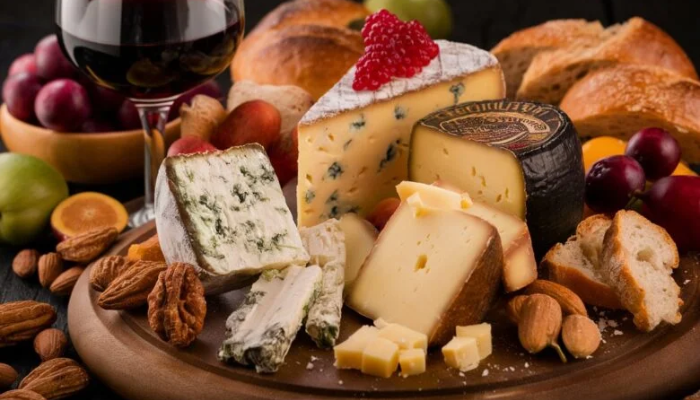
Grouse cheese lends itself beautifully to high-end culinary experiences. Its bold flavor makes it a standout centerpiece on artisanal cheese boards, where it pairs well with dried fruits, toasted nuts, dark bread, and rustic charcuterie. Because of its earthy profile, it complements autumnal dishes particularly well, enhancing ingredients like mushrooms, roasted vegetables, and root-based purees.
In cooking, grouse cheese performs best in dishes where its flavor can shine without overpowering the entire meal. Shaved over risotto, folded into creamy sauces, or melted atop hearty casseroles, it adds a gourmet touch that elevates even simple recipes. Many chefs also use it to finish soups, especially those featuring woodland flavors such as wild mushrooms or smoked vegetables.
For beverage pairings, grouse cheese pairs beautifully with medium-bodied reds, earthy white wines, and even certain craft beers with nutty or roasted undertones. Its versatility makes it a delightful discovery for both home cooks and professionals looking to experiment with new flavor dynamics.
Conclusion
Grouse cheese stands as a testament to the ingenuity and creativity of modern artisan cheesemakers. With its bold aroma, earthy depth, and gourmet versatility, it captures the essence of the wild in a way that few cheeses can. Whether you are exploring new additions to your cheese board or seeking inspiration for your next culinary creation, grouse cheese offers an unforgettable experience that blends tradition, artistry, and imagination.
FAQs
- What is grouse cheese?
Grouse cheese is an artisan dairy product inspired by the earthy characteristics associated with forest game, known for its bold flavor and unique aroma. - Does grouse cheese contain meat?
No. Despite the name, it is entirely dairy-based and does not contain grouse meat. - What does grouse cheese taste like?
It has earthy, nutty, and slightly smoky notes with a rich, savory finish. - How is grouse cheese made?
It is crafted using high-quality milk, unique cultures, and aging environments that mimic woodland conditions. - Is grouse cheese safe for vegetarians?
It depends on whether the cheesemaker uses vegetarian rennet, so check labeling to be sure. - What is the texture of grouse cheese?
Typically semi-firm to firm, with occasional crystals formed during aging. - How do you serve grouse cheese?
It is ideal on cheese boards, grated over gourmet dishes, or melted into rustic recipes. - What drinks pair well with grouse cheese?
Medium-bodied red wines, earthy white wines, and certain craft beers complement it beautifully. - How long does grouse cheese age?
Aging can last from several months to over a year, depending on desired flavor intensity. - Where can I buy grouse cheese?
Availability varies, but it is typically found in specialty cheese shops or from artisan cheesemakers.