
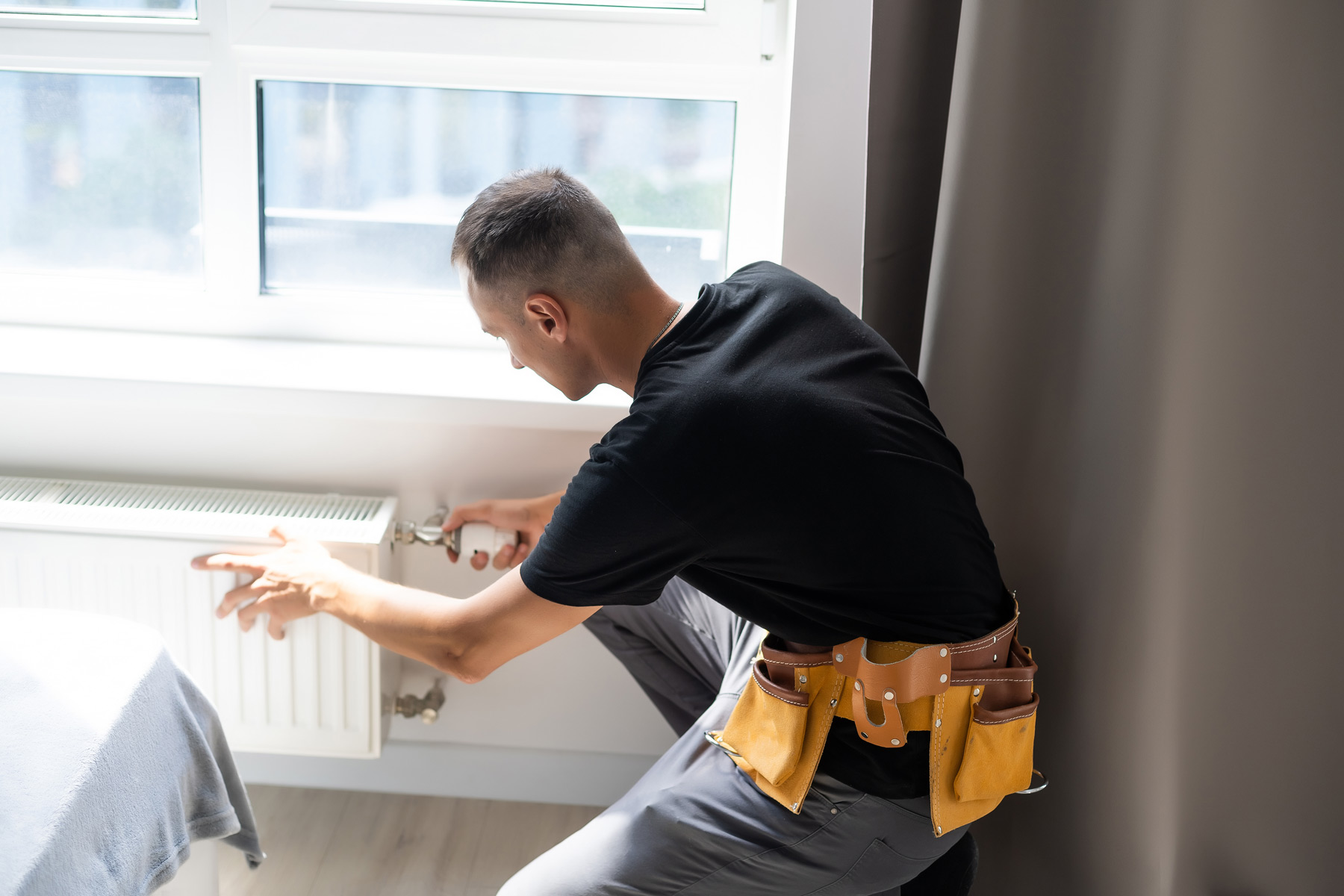
A well-functioning heating system is essential for maintaining comfort in any home, especially during colder months. Radiators play a vital role in distributing heat evenly throughout a property, but over time they can develop issues that reduce efficiency and increase energy costs. Understanding radiator repair, replacement, balancing, and valve leak repair helps homeowners make informed decisions and maintain a warm, energy-efficient living space.
Common Radiator Problems in Residential Properties
Radiators may appear simple, but several internal and external components must work correctly for optimal performance. Some of the most common radiator problems include:
- Cold spots on the radiator surface
- Uneven heating between rooms
- Leaking radiator valves or joints
- Noisy radiators caused by trapped air
- Corrosion or rust buildup
- Old or undersized radiators failing to heat rooms properly
Ignoring these problems can lead to increased heating bills and unnecessary strain on the central heating system.
Importance of Timely Radiator Repair
Radiator repair is often the most cost-effective solution when issues are identified early. Small problems such as trapped air, sludge buildup, or loose connections can significantly reduce heating performance if left untreated.
Professional radiator repair ensures:
- Improved heat distribution
- Reduced energy consumption
- Extended lifespan of the heating system
- Lower risk of sudden breakdowns
In many cases, homeowners searching for reliable information choose to explore this helpful resource to better understand repair options and maintenance solutions for their heating systems.
When Radiator Replacement Becomes Necessary
While repairs can solve many issues, there are situations where radiator replacement is the better long-term solution. Older radiators may no longer meet the heating demands of modern homes, especially after renovations or insulation upgrades.
Signs that replacement may be required include:
- Persistent cold spots even after repairs
- Visible corrosion or water damage
- Outdated radiator designs with low heat output
- Increasing energy bills despite regular maintenance
Upgrading to modern radiators improves heat efficiency and allows better temperature control across different rooms.
Understanding Radiator Balancing and Why It Matters
Radiator balancing is one of the most overlooked aspects of central heating maintenance. It involves adjusting radiator valves to ensure heat is evenly distributed throughout the property.
Without proper balancing:
- Rooms closest to the boiler become too hot
- Distant rooms remain cold
- The boiler works harder than necessary
Balanced radiators help achieve consistent warmth, improve comfort levels, and reduce overall heating costs. This process is especially important after radiator repairs or replacements.
Radiator Valve Leak Repair Explained
Leaking radiator valves are a common issue in many homes. These leaks often occur due to worn seals, corrosion, or loose fittings. Even a minor leak can lead to water damage and pressure loss in the heating system.
Professional valve leak repair typically includes:
- Inspecting valve connections
- Replacing damaged washers or seals
- Tightening or upgrading faulty valves
Addressing valve leaks promptly helps maintain system pressure and prevents further damage to floors and walls.
Preventative Maintenance for Long-Lasting Performance
Routine radiator maintenance can significantly reduce the need for emergency repairs. Homeowners should:
- Bleed radiators annually
- Monitor pressure levels
- Check for visible leaks or corrosion
- Schedule periodic professional inspections
Preventative care not only enhances heating efficiency but also ensures comfort throughout the colder seasons.
Final Thoughts
Radiator repair, replacement, balancing, and valve leak repair are essential aspects of maintaining a reliable and efficient heating system. Addressing minor issues early prevents costly breakdowns and ensures even heat distribution across the home. With proper care and informed decisions, homeowners can enjoy a warm, comfortable environment while keeping energy costs under control.