
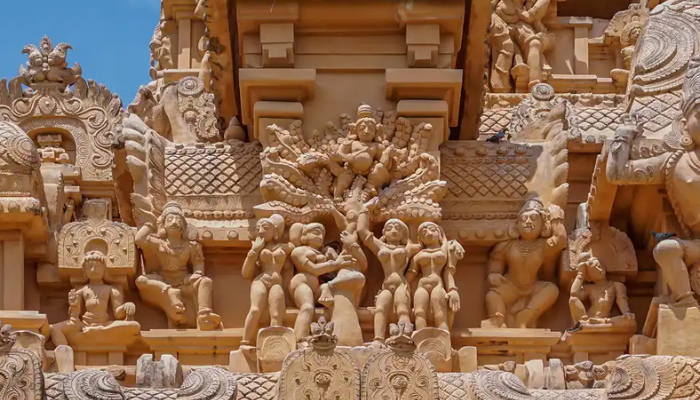
The question “kamasutra book kisne likhi” has intrigued scholars, readers, and curious minds for centuries. The Kamasutra is not just a book about intimacy; it is an ancient Indian text that provides insights into relationships, love, and human connection. Understanding who wrote the Kamasutra and its historical context allows us to appreciate it as more than just a manual of physical love—it is a reflection of culture, society, and philosophy in ancient India.
The Kamasutra has fascinated generations because it combines practical advice, social commentary, and psychological insights into human relationships. While many associate it solely with sexual positions, the text offers guidance on social etiquette, emotional bonds, and even the art of seduction. By exploring kamasutra book kisne likhi, we delve into the mind of its creator and the cultural heritage of India.
The Author of Kamasutra: Vatsyayana
When people ask “kamasutra book kisne likhi”, the answer is the ancient scholar Vatsyayana Mallanaga. He was a philosopher, teacher, and thinker in ancient India, whose work has survived for centuries. Vatsyayana compiled the Kamasutra sometime between the 3rd and 5th centuries CE, based on earlier texts and oral traditions about love, relationships, and human behavior.
Vatsyayana’s contribution to literature is unique because he not only codified knowledge about intimacy but also embedded moral and social guidance. His work reflects an understanding of human desires and emotions, positioning love as a central part of life. The author emphasized that pleasure, like duty and wealth, forms one of the essential goals of human life.
Historical Context of the Kamasutra
The Kamasutra was written during a time when Indian society placed great importance on arts, culture, and philosophical thought. To answer “kamasutra book kisne likhi” fully, it is crucial to understand the environment in which Vatsyayana wrote. Ancient India was a hub of learning, where scholars explored politics, ethics, love, and human psychology.
Vatsyayana’s text was influenced by preceding works, including early treatises on love and human behavior. The Kamasutra was not meant to be scandalous but educational, guiding people on how to maintain relationships, cultivate intimacy, and achieve social harmony. It reflects a sophisticated society where the pursuit of pleasure was considered a legitimate and structured aspect of life.
Structure and Content of the Kamasutra
Another key aspect of understanding kamasutra book kisne likhi is examining its structure. The Kamasutra is divided into seven sections, each focusing on different aspects of life, love, and relationships. These include topics such as courtship, marriage, extramarital affairs, sexual techniques, and social etiquette.
What makes Vatsyayana’s work remarkable is its balance between practical advice and philosophical insight. The text teaches that love is not merely physical—it involves emotional understanding, communication, and mutual respect. By studying these sections, readers can grasp how the author approached human relationships holistically, blending desire with wisdom.
Influence of Kamasutra on Indian and Global Culture
The Kamasutra has had a profound impact not only in India but across the world. Understanding kamasutra book kisne likhi allows us to trace how Vatsyayana’s teachings traveled through history, influencing art, literature, and social thought. In India, the text shaped societal attitudes towards love, marriage, and intimacy, while in modern times, it gained global recognition as a cultural and literary icon.
Translations of the Kamasutra into various languages have made it accessible to millions. These translations, however, often focus on the sexual aspects, overlooking the philosophical and ethical guidance provided by Vatsyayana. Despite this, the influence of the text continues to inspire discussions on relationships, intimacy, and personal fulfillment.
Misconceptions About the Kamasutra
A common misconception is that the Kamasutra is purely an erotic manual. To clarify kamasutra book kisne likhi, it is important to recognize that Vatsyayana’s aim was broader. The text addresses social conduct, personal development, and the art of living harmoniously with others.
Many modern interpretations exaggerate sexual content, missing the essence of the original work. Vatsyayana’s Kamasutra teaches respect, patience, and understanding in relationships, and it also explores the psychological aspects of desire. Realizing these nuances provides a more authentic appreciation of why this ancient text remains relevant today.
Conclusion: Understanding the Legacy of Vatsyayana
In conclusion, the question “kamasutra book kisne likhi” points directly to Vatsyayana, an extraordinary scholar who provided timeless guidance on love, pleasure, and human relationships. The Kamasutra is not just a manual of intimacy but a comprehensive guide to social conduct, emotional intelligence, and personal fulfillment.
By studying the Kamasutra, readers gain insight into ancient Indian society, human desires, and the philosophy of life. Vatsyayana’s legacy continues to resonate because he approached love as a multi-dimensional, culturally rich, and intellectually significant subject. The text remains a bridge connecting past wisdom with contemporary discussions on relationships and personal growth.
FAQs About Kamasutra
- Who wrote the Kamasutra?
The Kamasutra was written by the ancient Indian scholar Vatsyayana Mallanaga between the 3rd and 5th centuries CE. - What is the main purpose of the Kamasutra?
The Kamasutra provides guidance on love, relationships, social etiquette, and personal fulfillment, not just sexual positions. - Is the Kamasutra only about sex?
No. While it includes sexual techniques, it primarily focuses on emotional connection, social behavior, and the art of living harmoniously. - When was the Kamasutra written?
It was written between the 3rd and 5th centuries CE during a culturally rich period of Indian history. - Was the Kamasutra controversial?
Initially, it was a respected guide in Indian society. Controversy arose much later when Western audiences misinterpreted it. - How many sections are in the Kamasutra?
The Kamasutra has seven sections, covering topics from courtship and marriage to social etiquette and intimate relationships. - Is the Kamasutra relevant today?
Yes, it offers timeless advice on emotional intelligence, relationships, and human connection, which remain relevant. - Where was the Kamasutra written?
It was written in ancient India, reflecting the values, culture, and social norms of that era. - What language was the Kamasutra originally written in?
The original text was written in Sanskrit, the classical language of ancient India. - Why is the Kamasutra still famous today?
Its holistic approach to love, relationships, and life philosophy continues to intrigue readers worldwide, making it a timeless classic.