
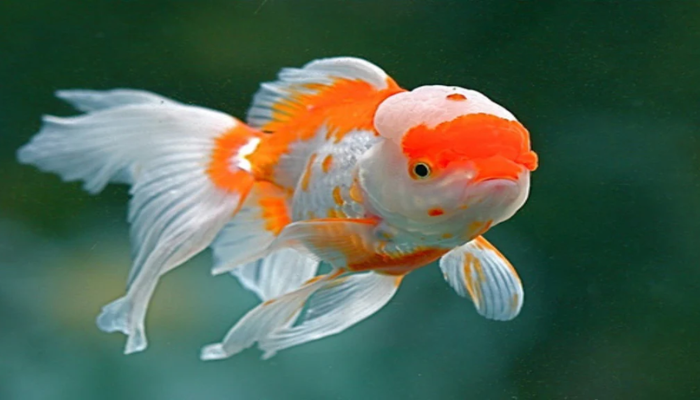
Oranda goldfish are among the most captivating and recognizable fancy goldfish in the world. With their flowing fins, rounded bodies, and signature raspberry-like head growth known as a wen, these ornamental fish have fascinated aquarists for centuries. Whether you are a beginner setting up your first aquarium or an experienced hobbyist looking to refine your care techniques, the oranda goldfish offers both visual elegance and rewarding companionship.
Beyond their beauty, oranda goldfish are living examples of selective breeding, cultural history, and aquatic artistry. Their calm temperament and interactive nature make them a favorite in home aquariums, ponds, and even competitive goldfish shows. In this in-depth guide, you will discover everything you need to know about oranda goldfish—from their origins and physical traits to proper care, feeding, and long-term health.
What Is an Oranda Goldfish? Origins and History
The oranda goldfish is a variety of fancy goldfish that originated through centuries of selective breeding in East Asia. While goldfish themselves were first domesticated in China over a thousand years ago, the oranda variety is believed to have been refined later, particularly in Japan. The name “oranda” is thought to be derived from a historical term used to describe Dutch traders, reflecting early misconceptions about the fish’s origins.
Historically, oranda goldfish were prized by royalty and wealthy families, symbolizing prosperity, balance, and harmony. Their elaborate appearance made them living decorations in palace ponds and ceramic bowls. Over time, breeding techniques improved, resulting in more pronounced wens, richer colors, and more stable body shapes that we recognize today.
In the modern aquarium hobby, oranda goldfish represent a bridge between tradition and contemporary fishkeeping. They are commonly featured in exhibitions and competitions, where judges evaluate symmetry, coloration, and wen development. This long and fascinating history adds cultural depth to the oranda goldfish, making them more than just ornamental pets.
Physical Characteristics of Oranda Goldfish
One of the defining features of the oranda goldfish is its wen, a fleshy growth that develops on the top of the head and sometimes around the cheeks and gill plates. This growth typically begins to appear a few months after birth and continues developing as the fish matures. A well-formed wen is often considered a sign of quality and good genetics.
In addition to the wen, oranda goldfish have deep, rounded bodies and long, flowing fins that give them a regal swimming style. Their dorsal fin is always present, distinguishing them from some other fancy goldfish varieties. Adult orandas can grow between 6 and 8 inches in length, and with proper care, even larger specimens are possible.
Coloration in oranda goldfish is incredibly diverse. Common colors include red, red-and-white, black, blue, chocolate, calico, and even metallic or matte combinations. This variety allows aquarists to choose orandas that suit their aesthetic preferences, whether they prefer bold contrast or subtle elegance.
Ideal Tank Setup and Water Conditions
Providing the right environment is essential for keeping oranda goldfish healthy and stress-free. Due to their size and waste production, oranda goldfish require more space than many beginners expect. A single oranda goldfish should be housed in a tank of at least 20–30 gallons, with additional space for each extra fish.
Water quality plays a crucial role in oranda goldfish care. They thrive in cool, well-oxygenated water with stable parameters. The ideal temperature range is between 65°F and 75°F, while pH levels should remain slightly neutral to mildly alkaline. Strong filtration is necessary, but water flow should be gentle to accommodate their slower swimming style.
Tank décor should prioritize safety and comfort. Smooth substrates, rounded decorations, and live or silk plants help prevent injuries, especially around the delicate wen area. Regular water changes are non-negotiable, as clean water reduces the risk of infections and promotes healthy growth.
Feeding and Nutrition for Oranda Goldfish
A balanced diet is key to maintaining the vibrant colors and overall health of oranda goldfish. High-quality sinking pellets or gel-based foods formulated specifically for fancy goldfish are ideal, as they reduce the risk of air ingestion and buoyancy problems. Floating foods should be avoided whenever possible.
In addition to prepared foods, oranda goldfish benefit greatly from fresh and natural supplements. Blanched vegetables such as peas, spinach, and zucchini provide fiber and aid digestion. Occasional treats like bloodworms or brine shrimp can enhance coloration and stimulate natural foraging behavior.
Feeding frequency should be moderate. Small portions given two to three times a day are better than one large feeding. Overfeeding is one of the most common mistakes made by goldfish keepers and can lead to water pollution, obesity, and digestive issues. Observing your oranda goldfish during feeding time can also help you quickly spot changes in appetite or behavior.
Health, Lifespan, and Common Issues
With proper care, oranda goldfish can live for 10 to 15 years, and some individuals even surpass this range. Their longevity depends largely on water quality, diet, and overall tank management. A healthy oranda goldfish is active, alert, and displays bright coloration with smooth swimming movements.
One common concern specific to oranda goldfish is wen overgrowth. In some cases, excessive growth can impair vision or become prone to infections. Maintaining clean water and a nutritious diet helps minimize these risks. Regular observation allows early detection of redness, swelling, or unusual texture changes.
Other common health issues include swim bladder problems, fungal infections, and bacterial diseases. Most of these issues are preventable through proper husbandry. Quarantining new fish, performing routine water changes, and avoiding overcrowding are essential practices for long-term success with oranda goldfish.
Conclusion
The oranda goldfish is a true jewel of the aquarium world, combining history, beauty, and personality in one graceful fish. From their distinctive wen to their peaceful demeanor, they offer endless fascination for aquarists of all experience levels. While they do require attentive care and a well-maintained environment, the rewards of keeping oranda goldfish are well worth the effort.
By understanding their origins, physical traits, dietary needs, and health considerations, you can create an environment where your oranda goldfish thrives. Whether displayed as a centerpiece fish or kept in a carefully curated group, oranda goldfish continue to enchant and inspire fish lovers around the globe.
Frequently Asked Questions (FAQs)
1. What makes oranda goldfish different from other goldfish?
Their distinctive head growth, known as a wen, and their rounded body shape set them apart.
2. How big do oranda goldfish grow?
Most oranda goldfish grow between 6 and 8 inches, though larger sizes are possible.
3. Are oranda goldfish good for beginners?
Yes, but they require proper tank size and water maintenance to stay healthy.
4. How long do oranda goldfish live?
With good care, they can live 10–15 years or more.
5. Can oranda goldfish live with other fish?
They do best with other fancy goldfish that have similar swimming abilities.
6. What is the ideal water temperature for oranda goldfish?
They prefer temperatures between 65°F and 75°F.
7. How often should I feed my oranda goldfish?
Two to three small feedings per day are ideal.
8. Is the wen on oranda goldfish dangerous?
Not usually, but it should be monitored for overgrowth or infection.
9. Do oranda goldfish need a filter?
Yes, strong but gentle filtration is essential due to their waste production.
10. Can oranda goldfish be kept in ponds?
Yes, as long as the pond conditions are stable and protected from predators.