
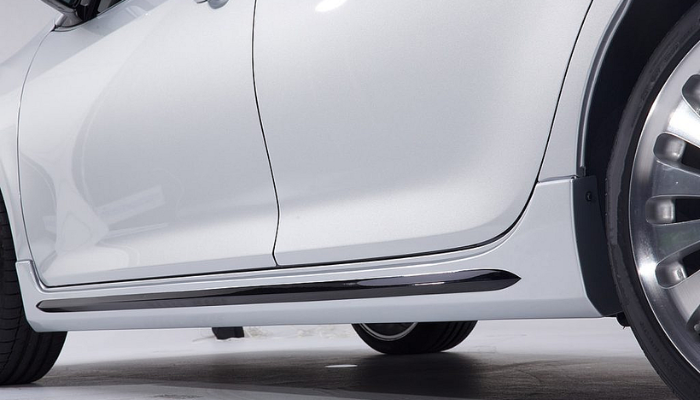
The rocker panel is one of the most overlooked yet essential components of your vehicle. Located along the lower sides of your car, between the wheel wells and beneath the doors, rocker panels play a crucial role in structural integrity and protection. Many car owners don’t realize that neglecting the rocker panel can lead to serious problems, including rust damage, reduced safety, and costly repairs.
In this comprehensive guide, we will explore the function, types, maintenance, and repair options for rocker panels. Whether you’re a car enthusiast, a DIY mechanic, or someone simply looking to protect your vehicle, understanding rocker panels is vital for long-term car care.
What Is a Rocker Panel and Why Is It Important?
A rocker panel is a metal or reinforced plastic section that runs along the bottom side of a car, connecting the front and rear wheel wells. Essentially, it forms part of the vehicle’s frame, providing structural support and stability. In addition to its structural role, the rocker panel protects the car’s underside from road debris, water, and mud, reducing the risk of corrosion.
Without a properly maintained rocker panel, vehicles are more vulnerable to rust and damage, which can compromise safety. In modern cars, rocker panels also contribute to the overall aerodynamics and aesthetic appeal. For older vehicles, rusted or damaged rocker panels are a common sight, emphasizing the importance of timely inspection and maintenance.
Common Signs of Rocker Panel Damage
Identifying rocker panel damage early can save car owners significant repair costs. The most common signs include visible rust, dents, holes, and paint bubbling near the panel. These issues often occur due to prolonged exposure to moisture, road salt, or debris hitting the lower car body.
Another subtle sign of damage is unusual vibration or instability while driving, as compromised rocker panels can weaken the car’s structural integrity. If left untreated, minor rust spots can expand, eventually affecting the vehicle’s frame and safety performance. Regular inspection is crucial, especially in regions with heavy snowfall or rainy climates where road salt accelerates corrosion.
Types of Rocker Panels
Rocker panels come in various materials and designs, depending on the vehicle make and model. The most common types include:
- Steel Rocker Panels – Durable and strong, steel panels are standard in most vehicles. They are highly resistant to impact but susceptible to rust if not properly coated or maintained.
- Aluminum Rocker Panels – Lightweight and corrosion-resistant, aluminum panels are increasingly used in modern vehicles for fuel efficiency and durability.
- Plastic or Composite Rocker Panels – Often found in SUVs and trucks, these panels resist minor dents and scratches but may require reinforcement for heavy-duty applications.
Choosing the right type is essential when replacing or upgrading rocker panels, as it affects both safety and longevity. Additionally, aftermarket options may offer enhanced corrosion resistance, improved aesthetics, or even integrated side steps for trucks and SUVs.
Maintenance and Protection of Rocker Panels
Maintaining your rocker panel is crucial for extending the life of your car. Regular washing, especially during winter months, prevents salt and grime buildup that accelerates rusting. Applying a rust-proof coating or undercoating provides an additional layer of protection.
Car owners should also perform routine inspections for scratches, dents, or early signs of corrosion. Touch-up paint and rust inhibitors can prevent minor damage from worsening. For off-road vehicles, adding protective rocker panel guards or side steps not only enhances aesthetics but also shields the panel from rocks and debris. Proper maintenance ensures the rocker panel continues to provide structural support and keeps your car looking pristine.
Repair and Replacement Options
If your rocker panel is damaged or rusted, timely repair or replacement is crucial. Minor rust can often be treated with sanding, rust inhibitors, and repainting. For more severe corrosion or structural damage, full replacement is necessary.
Professional replacement involves cutting out the damaged section and welding a new panel in place, ensuring structural integrity. DIY replacement is possible for experienced car owners but requires precision, proper tools, and safety measures. Additionally, aftermarket rocker panels may offer enhanced durability or styling upgrades, providing both functional and aesthetic benefits. Timely action prevents further damage to the car’s frame and maintains safety standards.
Conclusion
The rocker panel may seem like a small and overlooked part of your vehicle, but it plays a critical role in structural support, safety, and protection from environmental damage. From identifying signs of wear to choosing the right material and performing maintenance or repairs, understanding rocker panels is essential for every car owner.
By regularly inspecting, cleaning, and protecting your rocker panels, you ensure your vehicle remains safe, durable, and visually appealing for years to come. Neglecting this important component can lead to costly repairs, reduced safety, and structural weakness. Treat your rocker panels with care—they are more than just a lower-side trim; they are a backbone of your vehicle.
Frequently Asked Questions (FAQs)
- What exactly is a rocker panel on a car?
A rocker panel is the section along the lower sides of a car, connecting the front and rear wheel wells, providing structural support and protection. - Why do rocker panels rust easily?
Rocker panels are close to the ground, making them susceptible to water, road salt, dirt, and debris, which accelerate rust and corrosion. - Can I drive with a damaged rocker panel?
Minor cosmetic damage may not affect driving immediately, but significant rust or structural damage can compromise safety and stability. - How long do rocker panels typically last?
With proper maintenance, steel panels can last 10–15 years or more, while aluminum and composite panels are often more corrosion-resistant. - Are aftermarket rocker panels worth it?
Yes, aftermarket panels may offer enhanced durability, corrosion resistance, and aesthetic upgrades, especially for older or off-road vehicles. - Can I repair rocker panel rust myself?
Small rust spots can be treated at home with sanding, rust inhibitor, and touch-up paint. Severe rust may require professional replacement. - How much does rocker panel replacement cost?
Costs vary depending on material and labor, typically ranging from $200 to $1,500 per panel, with professional welding included. - Do all vehicles have rocker panels?
Most cars, trucks, and SUVs have rocker panels, although materials and designs vary. Some sports cars may have integrated or stylized panels. - How often should I inspect my rocker panels?
Inspect at least twice a year and after harsh weather conditions to catch early signs of rust, dents, or corrosion. - What maintenance tips extend rocker panel life?
Regular washing, rust-proof coatings, touch-up paint, and adding protective guards or side steps help maintain longevity and structural integrity.