
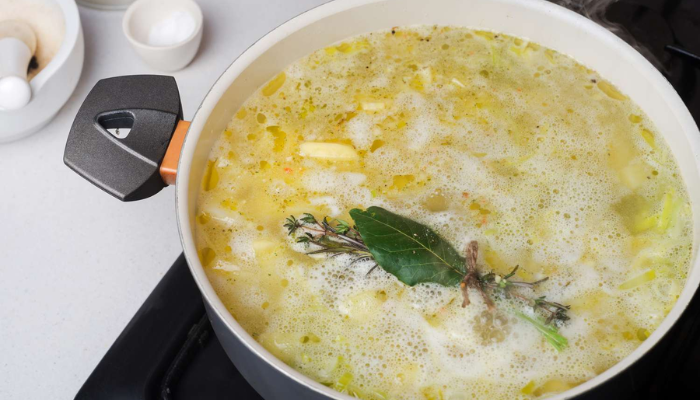
In today’s fast-paced world, finding the time and inspiration to cook healthy, flavorful meals can be a challenge. That’s where Simmer Eats comes in. This innovative approach to home cooking focuses on simple yet satisfying meals that let ingredients shine, whether you’re a seasoned chef or a beginner in the kitchen. From one-pot wonders to hearty stews, Simmer Eats emphasizes the beauty of slow-cooked, simmered meals that deliver deep flavors and comforting aromas.
Whether you’re looking to impress family and friends, maintain a nutritious diet, or simply enjoy the art of cooking, Simmer Eats offers practical solutions that make meal preparation enjoyable and stress-free. This article dives deep into everything you need to know about Simmer Eats, from cooking techniques to meal inspiration, ensuring every dish you create is a culinary success.
What is Simmer Eats?
Simmer Eats is more than just a recipe collection—it’s a lifestyle approach to cooking that highlights the art of slow, patient preparation. At its core, the concept revolves around simmering ingredients to bring out their natural flavors, creating rich, hearty dishes that are both satisfying and nutritious. Unlike fast-cooked meals that rely heavily on shortcuts or pre-made sauces, Simmer Eats emphasizes fresh, quality ingredients and careful attention to cooking times.
Simmering allows flavors to meld together in a way that frying or roasting cannot. From tender vegetables to perfectly cooked proteins, every ingredient benefits from this technique. This method also reduces the need for excessive oils and fats, making it a healthier alternative without compromising on taste. Whether it’s a classic tomato-based pasta sauce, a fragrant curry, or a comforting stew, Simmer Eats ensures every dish delivers depth, aroma, and a satisfying home-cooked experience.
Benefits of Cooking with Simmer Eats
One of the key advantages of Simmer Eats is the flavor enhancement that comes from slow cooking. Ingredients like garlic, onions, herbs, and spices release their full potential during simmering, resulting in dishes that taste richer and more complex. Unlike boiling or microwaving, simmering encourages the blending of flavors over time, creating meals that feel professionally crafted without the need for advanced culinary skills.
Health is another major benefit of Simmer Eats. Because this method relies on natural ingredients and gentle cooking, nutrients are better preserved compared to high-heat methods. Oils and fats can be minimized, and you can easily control salt and sugar levels, making it perfect for those pursuing a wholesome diet. Furthermore, the versatility of Simmer Eats means it can accommodate dietary preferences, including vegetarian, vegan, or low-carb meals, without sacrificing flavor or satisfaction.
Essential Ingredients for Simmer Eats
Successful Simmer Eats recipes start with high-quality ingredients. Fresh vegetables, tender proteins, aromatic herbs, and whole grains are the foundation of every dish. Staples such as garlic, onions, tomatoes, and fresh herbs like rosemary, thyme, and basil are indispensable for developing depth of flavor during the simmering process. Additionally, stock or broth is often used to enrich the base of soups, stews, and sauces.
Spices play a crucial role in Simmer Eats. Cumin, coriander, paprika, turmeric, and cinnamon can transform simple ingredients into complex, mouthwatering meals. These seasonings, combined with long, slow cooking, allow flavors to harmonize naturally. Experimenting with regional spices, such as saffron for Mediterranean dishes or garam masala for Indian-inspired meals, can elevate a standard simmered dish into a memorable culinary experience. By mastering the right combination of ingredients, anyone can create meals that are deeply satisfying and bursting with flavor.
Popular Simmer Eats Recipes
Some of the most beloved Simmer Eats recipes include slow-cooked soups, hearty stews, and savory sauces. For example, a classic beef stew simmered for hours with vegetables, red wine, and herbs delivers tender meat and a rich, aromatic broth. Similarly, a vegetable curry simmered with coconut milk, tomatoes, and fragrant spices produces a creamy, satisfying dish perfect for weeknight dinners.
Another favorite is homemade tomato sauce, simmered until naturally sweet and thickened to perfection. Not only does it taste better than store-bought alternatives, but it also allows home cooks to control sodium and sugar levels. Even comfort foods like chili or risotto benefit from the Simmer Eats approach, as slow, patient cooking allows flavors to blend seamlessly. The beauty of these recipes lies in their adaptability—ingredients can be swapped based on personal preferences, seasonal availability, or dietary restrictions, keeping meals fresh and exciting.
Tips for Mastering Simmer Eats at Home
To make the most of Simmer Eats, there are several practical tips that can elevate your cooking. First, maintain a consistent low to medium heat. This prevents ingredients from overcooking or sticking to the pan while ensuring even flavor development. Patience is key—rushing the simmering process may result in uneven textures and muted flavors.
Second, layering ingredients thoughtfully can enhance the depth of flavor. Start with aromatics like onions, garlic, and spices, then gradually add vegetables, proteins, and liquids. This technique allows each component to contribute fully to the overall taste. Additionally, tasting and adjusting seasonings throughout the cooking process ensures balanced flavors in the final dish. Lastly, investing in quality cookware, such as heavy-bottomed pots or Dutch ovens, can make a significant difference, as they distribute heat evenly and support long, slow simmering without scorching.
Conclusion
Simmer Eats is a game-changer for anyone looking to bring delicious, wholesome meals to the table without unnecessary stress. By embracing slow cooking techniques, using quality ingredients, and focusing on flavor layering, home cooks can create dishes that are both comforting and impressive. From hearty stews to fragrant sauces, the possibilities with Simmer Eats are endless, making it a versatile and approachable culinary method for all skill levels. Whether for a weeknight dinner or a special occasion, these recipes inspire creativity and deliver satisfaction with every simmer.
Adopting Simmer Eats into your routine not only enhances the taste of your meals but also promotes mindful cooking, healthier eating, and a deeper appreciation for the art of home-cooked food.
10 Frequently Asked Questions (FAQs) About Simmer Eats
- What is Simmer Eats?
Simmer Eats is a cooking approach focused on slow, gentle simmering to develop rich flavors and tender textures in meals. - Is Simmer Eats healthy?
Yes, it emphasizes fresh ingredients and gentle cooking, preserving nutrients while minimizing oils and fats. - Can beginners try Simmer Eats?
Absolutely! The method is beginner-friendly and forgiving, making it easy to create delicious meals without advanced skills. - What types of dishes are best for Simmer Eats?
Soups, stews, sauces, curries, and risottos are ideal for simmering techniques. - Do I need special equipment for Simmer Eats?
Heavy-bottomed pots, Dutch ovens, or slow cookers work best, but standard pots can also be used. - Can Simmer Eats accommodate dietary restrictions?
Yes, it’s highly versatile and works well for vegetarian, vegan, gluten-free, or low-carb diets. - How long should I simmer my dishes?
Depending on the recipe, simmering can range from 20 minutes to several hours for stews or slow-cooked sauces. - What are essential ingredients for Simmer Eats?
Fresh vegetables, proteins, aromatic herbs, spices, and quality stock or broth form the base of most recipes. - Can I meal prep using Simmer Eats?
Definitely! Simmered meals store well in the refrigerator or freezer and often taste even better the next day. - Why does simmering improve flavor?
Simmering allows ingredients to meld gradually, enhancing depth, aroma, and overall taste without overcooking.