
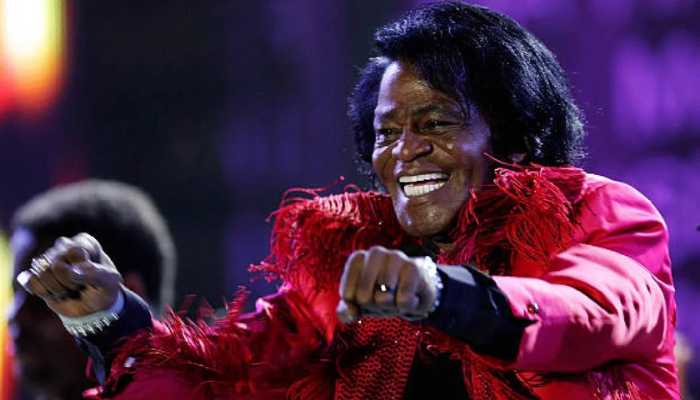
Velma Warren — a name that may not immediately resonate with everyone, yet it holds a unique place in music history. Known primarily as the first wife of the legendary singer James Brown, widely recognized as the “Godfather of Soul,” Velma’s life reflects resilience, love, and quiet strength. While she remained mostly out of the public spotlight, her influence on one of the most iconic figures in music history is undeniable. This article explores the life of Velma Warren, her early years, her relationship with James Brown, the challenges she faced, and her lasting legacy.
Early Life and Background of Velma Warren
Details about Velma Warren’s early life are limited, but it is understood that she grew up in the United States during a period of significant social and cultural change. Her upbringing, likely in the southern states, was shaped by mid-20th century America, where communities were deeply influenced by gospel, rhythm, and the beginnings of soul music. These formative years instilled in her the resilience and values that would define her adult life.
From a young age, Velma exhibited traits of patience, dedication, and emotional strength. These qualities would become particularly important as she entered a relationship with James Brown, a rising musician with dreams that demanded both ambition and support from those close to him. Velma’s early life, though largely private, set the foundation for the critical role she would play in one of music’s most storied personal narratives.
Velma Warren and James Brown: A Complex Love Story
Velma Warren’s life became historically significant with her marriage to James Brown, a musician destined to change the landscape of soul and funk. The couple reportedly met in the early 1950s, a time when Brown was still trying to establish his career. Their relationship culminated in marriage on June 19, 1953, marking the start of a partnership that would see both love and challenges.
In their marriage, Velma served as a quiet anchor for Brown, providing emotional and practical support during the demanding early years of his musical career. While Brown was focused on tours, performances, and recording sessions, Velma balanced the home life, ensuring stability for their family. Together, they navigated the pressures of a burgeoning musical career, a testament to Velma’s patience, commitment, and strength. Their story reflects a love shaped by both ambition and adversity, highlighting the personal sacrifices often hidden behind the public achievements of music legends.
Marriage, Family Life, and Post-Separation Years
Velma and James Brown’s marriage lasted about 16 years, ending in 1969. During this time, Velma focused on family life, raising children and providing a nurturing environment amid the chaos of celebrity. She played the crucial role of stabilizing the home while Brown pursued his rising fame, often managing challenges alone during his prolonged absences.
Following their divorce, Velma chose a life of privacy. She did not seek fame or public attention, instead focusing on raising her children and maintaining her dignity away from the spotlight. Her post-separation years highlight resilience and personal agency, illustrating a woman who navigated life independently after her relationship with one of the world’s most famous musicians. Velma’s story reminds us that strength is often quiet and understated, found in the ability to sustain one’s identity amid public scrutiny and personal change.
The Legal Battle Over James Brown’s Estate
Velma Warren returned to public attention following James Brown’s death in 2006, when she claimed that their divorce had never been legally finalized. This claim, if validated, could have significantly affected Brown’s estate and inheritance. The legal dispute sparked widespread media attention and public curiosity, bringing Velma back into the conversation about Brown’s life and legacy.
Ultimately, the courts ruled that the divorce had been legally completed, rejecting Velma’s claim to the estate. While some viewed her legal challenge as an attempt to secure financial recognition, others saw it as a pursuit of acknowledgment for her role in Brown’s early life. This episode added complexity to her story, illustrating how the lives of private individuals can intersect with public legacies in unexpected ways.
Legacy and Cultural Impact of Velma Warren
Although Velma Warren did not pursue fame herself, her life intersects meaningfully with music history. As James Brown’s first wife, she played a foundational role in supporting him during the early years of his career. Her presence provided stability and support, essential to his eventual rise as a music icon.
Velma’s life also highlights the experiences of many spouses of celebrities, whose efforts often remain unseen but are vital to the success of public figures. Her story serves as a reminder that the narrative of fame is rarely solitary; it is built on relationships, support, and sacrifice. By maintaining her dignity and privacy, Velma Warren created a legacy of strength, resilience, and independence, showing that personal impact can exist beyond public recognition.
Conclusion
Velma Warren’s life story is one of quiet strength, resilience, and enduring influence. From her early years to her marriage with James Brown and her later legal battles, she navigated complex personal and public landscapes with dignity. While she remained largely out of the spotlight, her role in shaping one of music’s most legendary figures is undeniable. Velma Warren exemplifies the unseen support and quiet determination that often lie behind history-making achievements, proving that true legacy extends far beyond fame.
Frequently Asked Questions (FAQs)
- Who is Velma Warren?
Velma Warren was the first wife of James Brown, the legendary “Godfather of Soul,” and played a significant role in his early life. - When did Velma Warren and James Brown marry?
They married on June 19, 1953, during the early stages of Brown’s career. - How long were they married?
Their marriage lasted approximately 16 years, ending in 1969. - Did Velma Warren have children with James Brown?
Yes, they had children together, including at least one son. - Why did Velma Warren file a legal claim after James Brown’s death?
She claimed that their divorce was never legally finalized, potentially entitling her to a portion of his estate. - What was the outcome of Velma Warren’s legal claim?
The courts ruled that the divorce was valid, and she did not receive a share of the estate. - Is Velma Warren still alive?
There is no recent public information about her current status, as she has remained private. - Did Velma Warren remarry after James Brown?
There is no verified public record of her remarrying. - What is Velma Warren’s legacy?
Her legacy lies in her resilience, her role in James Brown’s early life, and her example of quiet strength. - Why is Velma Warren significant in music history?
She represents the unseen support behind legendary figures, highlighting the personal contributions that help shape public success.